

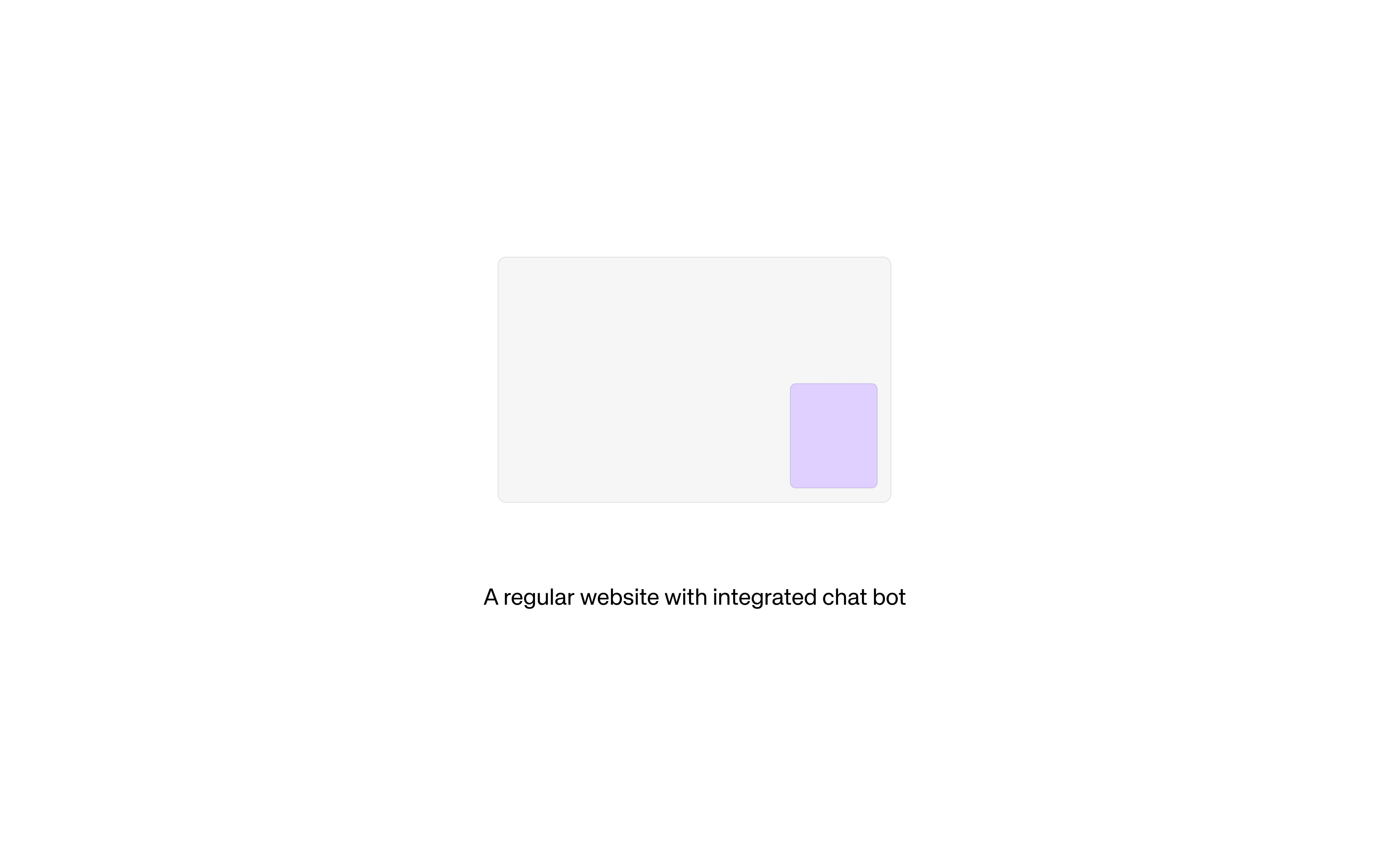
- The website UI is the product; the chatbot is an add-on.
- The chatbot answers questions, but it usually cannot reliably do the work across the site.
- Users still have to click through multiple pages, fill forms, and stitch steps together themselves.
What is an agentic website?
An agentic website is a website where an agent is integrated into the core experience so it can understand intent, plan, and take actions across the whole site. Instead of “chat next to the site,” the site behaves like a goal-driven system:- You express what you want to achieve.
- The site (via the agent) gathers context, asks for missing details, and executes steps.
- Actions happen in the product: navigating, selecting options, filling forms, calling APIs/tools, updating state, and confirming outcomes.
.png?fit=max&auto=format&n=2fk-dUKTarOSj_MH&q=85&s=050c8775c82d48121309e64f0dd2c89b)
Chatbot vs. agentic (whole experience)
The practical difference is how the experience is split between static UI and dynamic, agent-driven execution.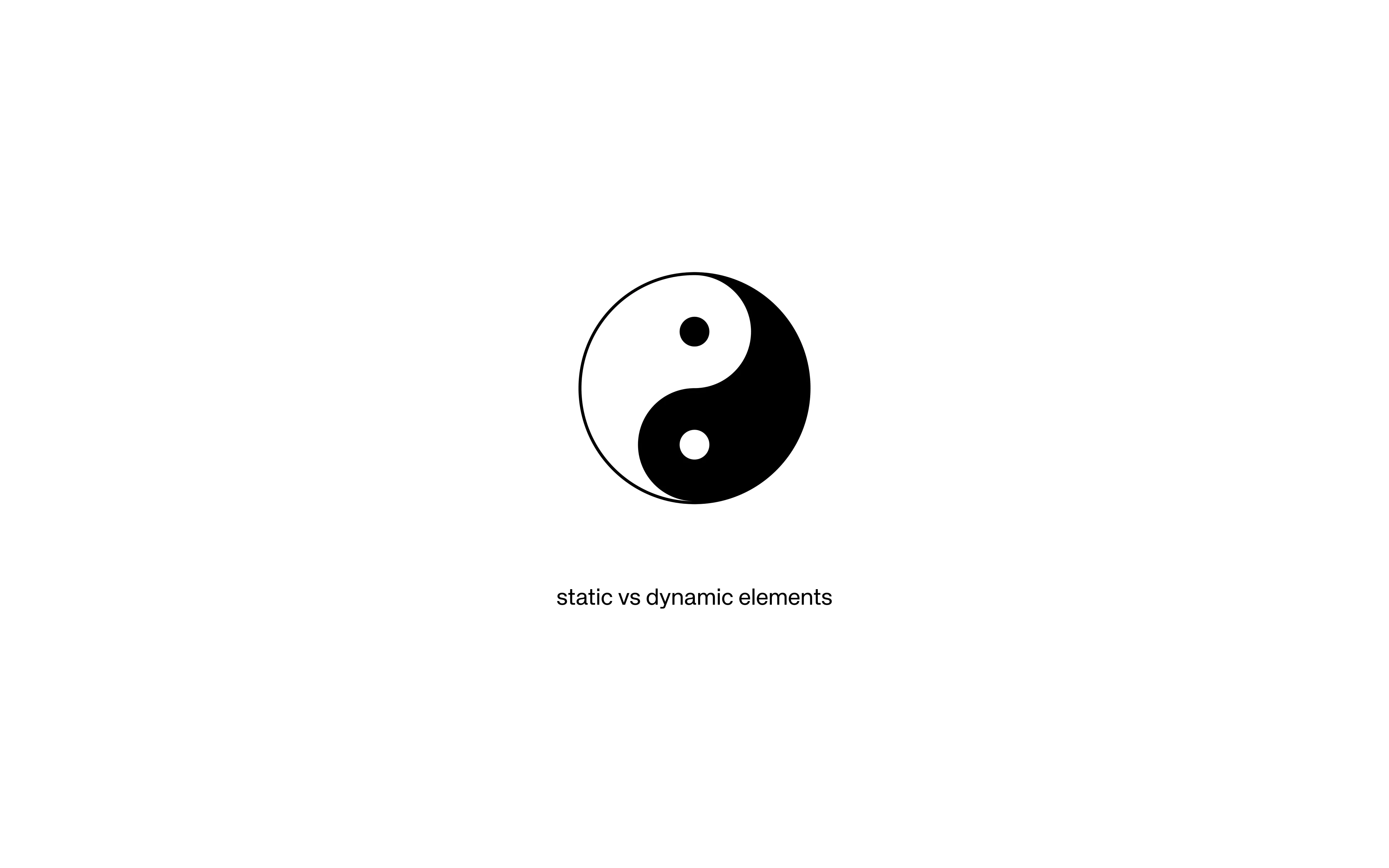
- Left side (static): the fixed page structure (CTAs, widgets, layout) stays consistent.
- Right side (dynamic): the content and actions adapt per visitor; the agent uses context to personalize what the page shows and can execute steps that normally require lots of manual clicking and form filling.